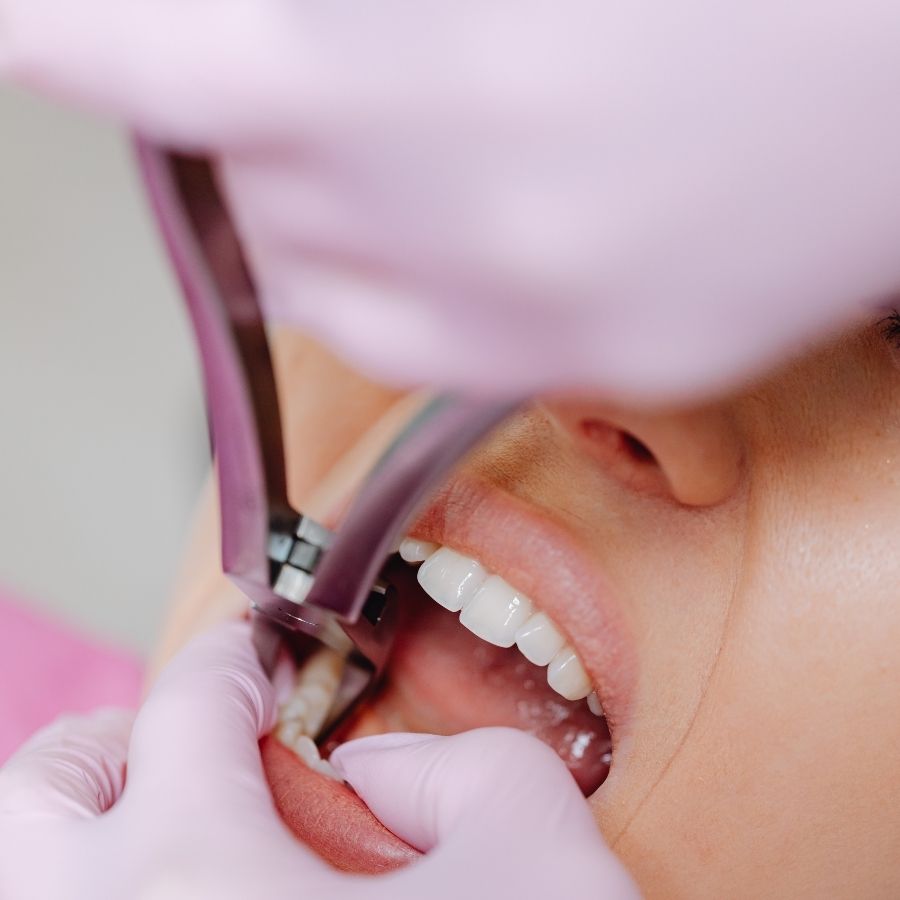
When a tooth is removed, your body immediately begins to heal. A blood clot forms in the empty socket to protect the underlying bone and nerves. Surrounding tissues respond with inflammation, which is a natural part of healing but can make neighbouring teeth temporarily more sensitive. Because nerves in the jaw are interconnected, you may feel discomfort in multiple teeth even if they are perfectly healthy. Understanding this process can make post-extraction sensations feel less alarming.
It’s also natural to wonder, in the days after a procedure, whether the extraction was truly necessary. At Gentle Dental Centre, we understand that dental treatments can feel overwhelming, and we never recommend extractions lightly. Every removal is carefully assessed and discussed beforehand so you can feel confident that it was the right decision for your long-term oral health. If you have any concerns about your healing or the procedure itself, our team is always happy to talk it through with you in a supportive, judgement-free way.
Understanding why surrounding teeth sometimes hurt after a tooth extraction can help you distinguish between normal post-extraction healing and when it’s time to check in with your dentist.
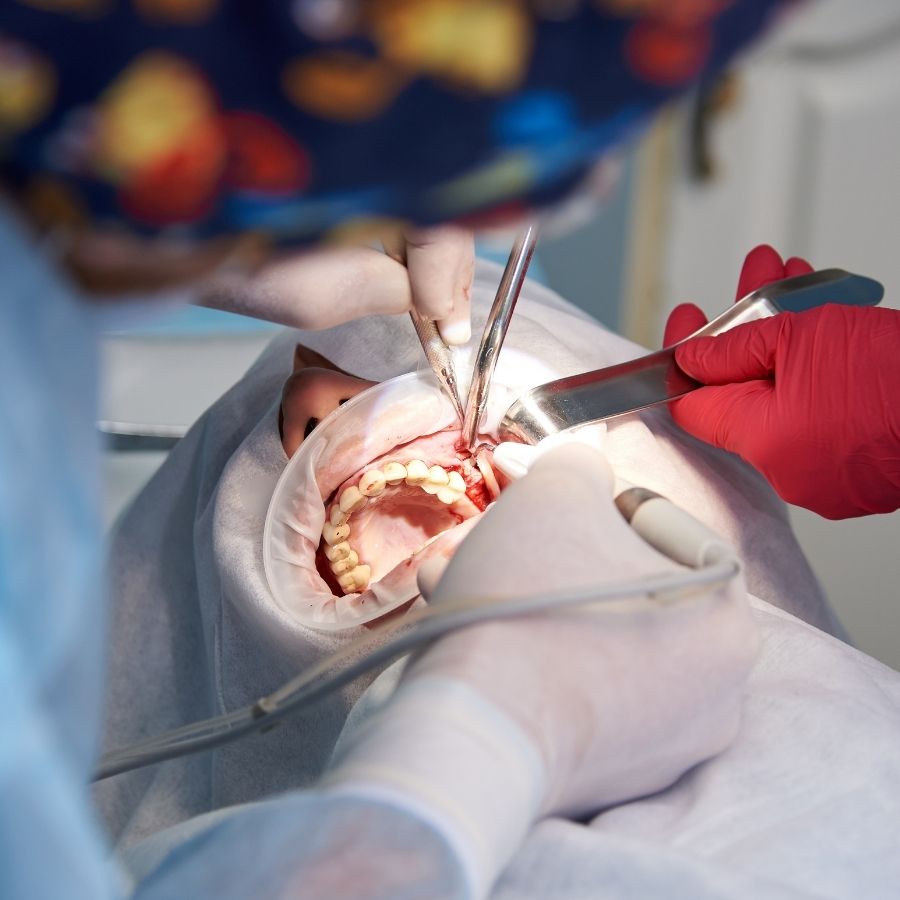
If you’ve recently had major surgery, such as a knee or hip reconstruction, it’s important to let your dentist know before any extraction or invasive dental procedure. In some cases, your dentist may prescribe antibiotics beforehand to reduce the risk of bacteria from the mouth entering the bloodstream and affecting surgical sites, or we might liaise with your surgeon.
At Gentle Dental Centre, we care for the whole patient, not just the mouth. Understanding your wider medical history helps us tailor your dental care to support your overall health, not just the immediate treatment at hand. This simple precaution can make a real difference to your recovery and peace of mind.

It’s also common to feel like the pain is spreading. The nerves in your jaw are highly interconnected, which means discomfort from one area can radiate to others nearby. Swelling and inflammation after an extraction can irritate these nerve pathways, making it feel like multiple teeth are affected.
Sometimes this sensation is also caused by the practical side of treatment. During the extraction, the dentist may need to apply pressure to the adjacent teeth, which can temporarily irritate their ligaments. People also often notice increased sensitivity in nearby teeth simply because more of the tooth surface is now exposed after the neighbouring tooth has been removed.
You might also unconsciously clench your jaw or chew differently to avoid the extraction site, which can strain nearby teeth and muscles, leading to additional sensitivity or discomfort.
Most healing progresses smoothly, but infection is one possible complication that can cause the surrounding teeth to hurt after a tooth extraction. Spotting the early signs of infection after tooth extraction helps ensure timely treatment and protects your overall health. While some mild discomfort is normal, keep an eye out for the following symptoms:
- Pain that increases rather than improves – Normal post-extraction pain should gradually ease after the first few days. If the pain intensifies or suddenly worsens, it may signal an underlying infection.
- Swelling that worsens after the first few days – Some swelling is expected, but it typically peaks within 48 hours. Ongoing or increasing swelling after this point is a red flag.
- Redness around the extraction site – A healthy socket will look pink and clean. Bright red, inflamed tissue can indicate infection or irritation that needs attention.
- Pus or discharge from the socket – Any yellow or greenish discharge is a clear sign of infection. You might also notice a foul taste in your mouth at the same time.

- Persistent bad taste or odour in the mouth – While a temporary metallic taste is normal, ongoing bad taste or noticeable odour can point to bacteria collecting in the socket.
- Fever or chills – A fever is a sign your body is fighting something. Even a mild increase in temperature can indicate a spreading infection that requires professional care.
- Difficulty opening the mouth (trismus) – Jaw stiffness or trouble opening your mouth can occur if the surrounding tissues become inflamed or infected.
- Swollen lymph nodes in the neck or jaw – Your lymph nodes act as filters. When they swell near the extraction site, it can indicate your body is responding to infection.
- Throbbing pain that radiates to other teeth – Infections can irritate nearby nerves, making it feel like the discomfort is spreading to adjacent teeth or other areas of the jaw.
- Bleeding that resumes after stopping – Light bleeding or oozing is common on the day of extraction, but if bleeding starts again days later, it may be due to infection disrupting healing.
- White or yellow patches around the gum – While a light whitish film is part of normal healing, thick yellow or white patches can indicate pus or infected tissue.
- General feeling of being unwell – Feeling run down, achy or unusually tired after a few days can be a subtle sign of infection. Listen to your body and don’t ignore these changes.
If you experience any of these signs of infection after tooth extraction, contact your dentist promptly for assessment and treatment. Early intervention can prevent complications and speed up recovery.
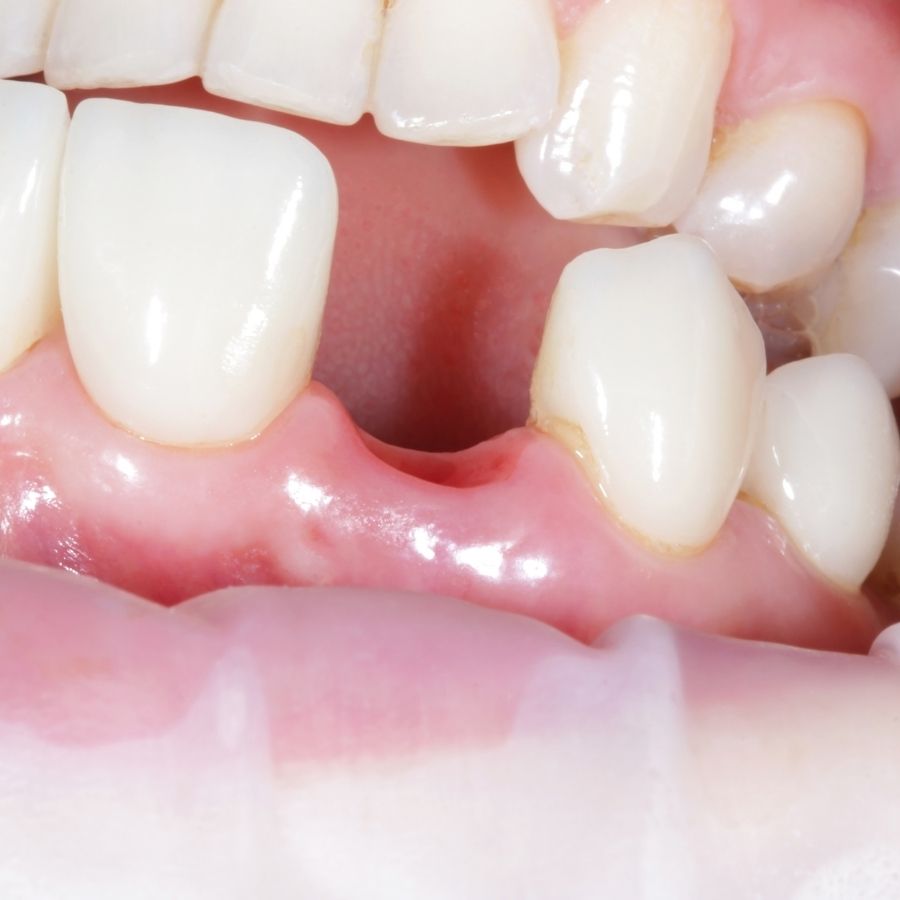
Dry socket pain feels different from normal healing discomfort. It’s typically a deep, throbbing, intense pain that begins a few days after extraction. The pain can radiate to surrounding teeth, the jaw, ear or temple on the affected side.
Unlike the ache from normal healing, dry socket pain tends to worsen rather than improve. If this sounds familiar, it’s important to see your dentist so they can clean the site and apply a medicated dressing to relieve pain and protect the area while it heals.

Normal healing usually involves steady improvement day by day. Pain should gradually lessen, swelling should go down, and gum tissue should slowly close over the socket. You shouldn’t have persistent bleeding, foul taste or odour, or worsening pain in the surrounding teeth after a tooth extraction.
By about two weeks, the majority of discomfort should be gone, although full healing inside the socket may take several weeks depending on the tooth removed and your overall health.

If pain in the surrounding teeth doesn’t ease as expected, your dentist will carry out a careful examination to identify the cause. At Gentle Dental Centre, this may include gently probing the site to check for dry socket, assessing adjacent teeth for trauma, taking dental X-rays to rule out fractures or hidden infections, and reviewing your medical history to ensure nothing has been missed.
Treatment will depend on the cause. For example, dry socket is often treated with a medicated dressing that soothes pain and protects the bone while healing continues. Infections may require antibiotics and local cleaning, while nerve-related pain might be managed with desensitising treatments or temporary restorations. This tailored approach ensures you get targeted care, not a one-size-fits-all solution.