
Dentist for Sensitive Teeth in Wanneroo
Does the thought of ice cream or a hot coffee make you wince? You’re not alone. Sensitive teeth can sneak up on you, and while it might feel like “just one of those things,” it’s actually a sign that something’s going on beneath the surface. At Gentle Dental Centre, we’re your go-to dentist for sensitive teeth in Wanneroo. We’ll get to the bottom of it and help you find relief, with no judgement, just real answers.


Why You Should See a Dentist for Sensitive Teeth
Tooth sensitivity happens when the inner layer of your tooth (the dentin) becomes exposed, often due to wear and tear, gum recession, or enamel erosion. The sensitivity happens because the nerve (pulp) of the tooth is irritated for some reason or another – and there are plenty of reasons it might be happening:
- Brushing too hard or using a hard-bristled toothbrush
- Gum recession exposing the tooth roots
- Tooth grinding or clenching
- Worn enamel
- Tooth decay or cracks
- Recent dental work
- Generalised sensitivity
Tooth sensitivity can develop into a toothache which may turn into an abscess and require root canal treatment/extraction – it is extremely important to check teeth sensitivity and mention any changes to sensation at your next dental examination.
If you’re experiencing sharp pain when eating or drinking hot, cold, sweet, or acidic things, it’s time to book with a dentist for sensitive teeth who can assess the cause and talk through your treatment options.
Begin your journey to a beautiful smile at Gentle Dental Centre.

Teeth Are Suddenly Sensitive?
If your teeth have suddenly become sensitive, it can be alarming, but it doesn’t always mean something serious. Sudden sensitivity might be triggered by a cracked filling, recent dental work, gum inflammation, or even a bit of unnoticed teeth grinding – sometimes it is a completely unknown, random cause! Sometimes it’s as simple as using a new whitening toothpaste or brushing a little too hard. The key is to get it checked early, your dentist can pinpoint the cause and recommend the best way to get things feeling normal again.


What Does Tooth Sensitivity Feel Like?
Everyone’s different, but common sensations include:
- Sharp, sudden pain in one or more teeth
- Discomfort when brushing or flossing
- Pain from cold air hitting your teeth
- A dull ache after consuming hot or cold food
- Ongoing soreness after dental treatment
If this sounds like you, don’t put off seeing someone, it doesn’t necessarily mean something serious is wrong. In fact, it’s often a small issue that we can catch and fix early.
What Can Cause Sensitive Teeth?
There are a few possible culprits:
- Enamel erosion from acidic food or overbrushing
- Receding gums exposing the tooth roots
- Cracked teeth or dental trauma
- Tooth grinding or clenching
- Tooth decay or cavities
- Dental worklike fillings or whitening that temporarily increases sensitivity
- Extractions of nearby teeth
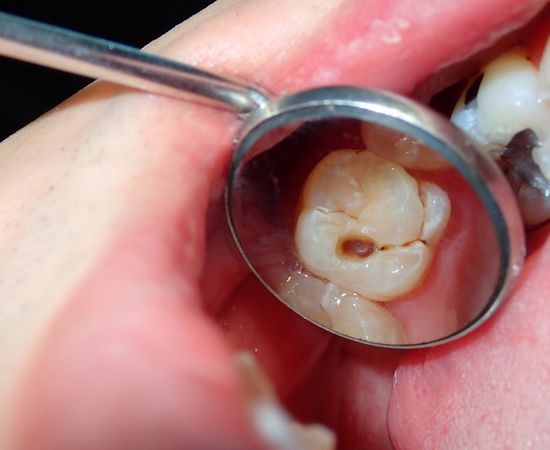
The good news? You don’t need to figure it out on your own. Your dentist for sensitive teeth can pinpoint the root cause and recommend the right fix, whether that’s a desensitising treatment, night splint, fluoride gel, or a restorative procedure like a filling or dental crown.
Teeth Sensitive After Dentist Visits?
If your teeth are feeling extra sensitive after a dentist visit, you’re not alone, it’s actually pretty common. Sensitivity can occur after treatments like fillings, crowns, or professional cleanings, especially if your teeth were already a bit reactive to begin with. In most cases, the discomfort fades within a few days to a couple of weeks.
But if it lingers or gets worse, it’s worth coming back in so we can take another look and make sure everything’s healing as expected. You know your body, and we’re always happy to help if something doesn’t feel quite right.

How to Decrease Tooth Sensitivity
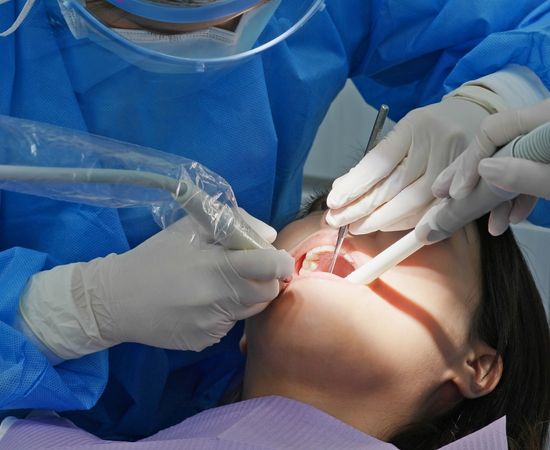
If you’re dealing with tooth sensitivity, the good news is there are plenty of ways to ease it, especially when we identify what’s causing it. Switching to a sensitive-teeth toothpaste, using a soft-bristled toothbrush, and avoiding overly acidic or very hot/cold foods can all make a difference. In the clinic, we can apply desensitising treatments, look at protective coatings, or check if things like grinding or gum recession are at play.
Everyone’s situation is different, so we’ll help find the right approach for you, whether that’s a simple product switch or something more targeted. But please rest assured there are definitely ways to help decrease tooth sensitivity, and we will help you find the best one for you.
No Judgement, Just Support
We know dental anxiety is real, especially if it’s been a while since your last visit. If you’ve been avoiding cold drinks or brushing certain spots because of the pain, we see you. Our team is here to help, not judge. We’ll walk you through everything step by step, make you comfortable, and focus on what’s best for your long-term oral health.

Book with a Dentist for Sensitive Teeth in Wanneroo
You don’t have to just live with it. If you’ve been dealing with discomfort for too long, now’s the time to take that first step. Book an appointment with your local dentist for sensitive teeth at Gentle Dental Centre, we’ll find out what’s going on and help you get back to enjoying food, drinks, and life without the sting.
FAQ
What causes sensitive teeth?
Sensitive teeth are often caused by worn enamel, gum recession, tooth decay, cracked teeth, teeth grinding, or exposed tooth roots. These conditions expose the underlying dentin, making teeth more sensitive to hot, cold, sweet, or acidic foods and drinks.
Can tooth sensitivity go away on its own?
Mild sensitivity may improve if it is caused by temporary irritation. However, ongoing or worsening sensitivity usually indicates an underlying dental issue that requires professional assessment and treatment. Identifying the cause early can help prevent more serious dental problems.
When should I see a dentist for sensitive teeth?
You should see a dentist if tooth sensitivity persists for more than a few days, becomes severe, interferes with eating or drinking, or is accompanied by toothache, swelling, or visible damage. A dental examination can determine the underlying cause and appropriate treatment.
How are sensitive teeth treated?
Treatment depends on the cause of the sensitivity. Options may include fluoride treatments, desensitising products, fillings for cavities, treatment for gum disease, dental bonding, or protective restorations. Your dentist will recommend the most appropriate solution based on your oral health needs.
Can sensitive teeth be prevented?
Yes. Good oral hygiene, regular dental check-ups, using a soft-bristled toothbrush, avoiding excessive brushing pressure, and limiting acidic foods and drinks can help reduce the risk of developing tooth sensitivity. Early treatment of dental problems also helps protect the teeth from further damage.