
I Need Help With Loose Teeth
If your teeth feel wobbly, unstable, or like they might fall out, it’s important to seek professional dental care without delay. Loose teeth can be a sign of underlying oral health problems, and while it might feel alarming, there are effective ways to treat the issue and prevent further damage.
At Gentle Dental Centre, we’re here to help identify the cause and create a personalised plan to protect your smile.
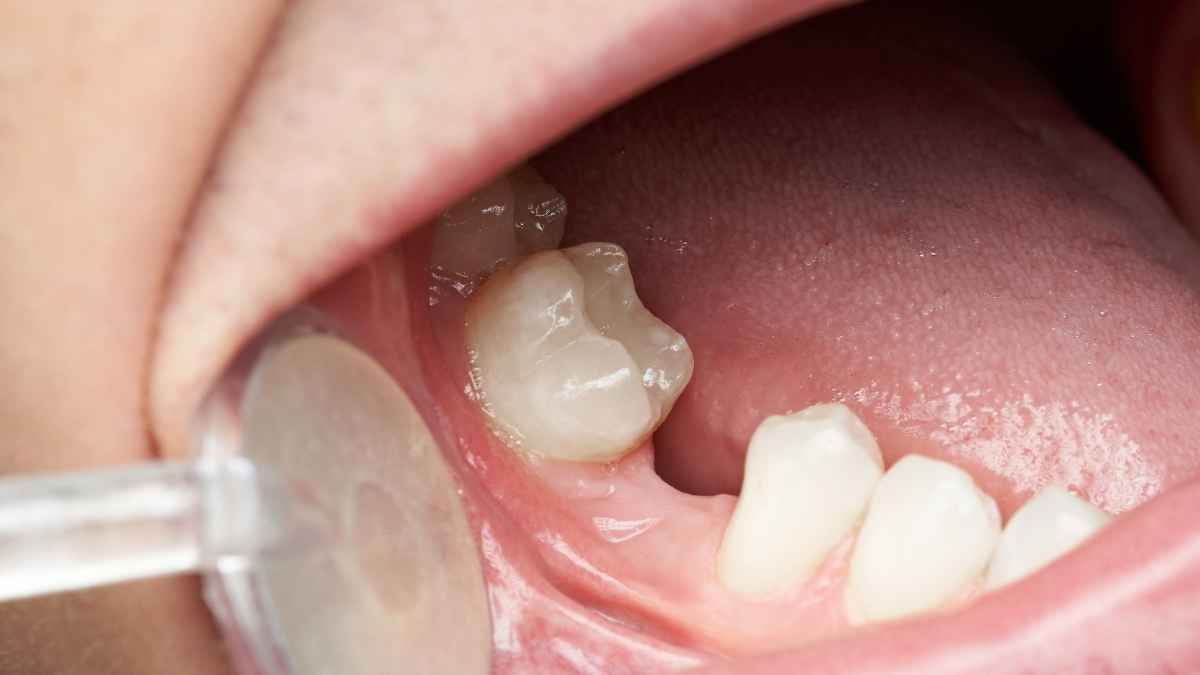
What Causes Loose Teeth in Adults?
Loose teeth are not just a childhood problem. In adults, loose teeth are usually loose because of periodontal disease, infection or tooth abscess, but can result from issues such as:
- Advanced gum disease (periodontitis)
- Broken tooth
- Chronic teeth grinding or clenching (bruxism)
- Bone loss around the tooth
- Dental trauma or injury
- Failed dental work
Even if you’re not experiencing pain, a loose tooth should never be ignored. The sooner we identify the cause, the more likely we can save the tooth or prevent additional ones from loosening.

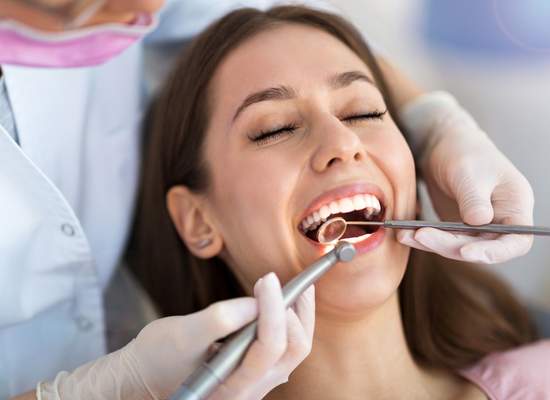
Why You Should See a Dentist for Loose Teeth
Dental movement is not always normal in healthy adult teeth. If you’ve noticed mobility in one or more of your teeth, it’s essential to have a comprehensive dental examination. Ignoring the issue could lead to tooth loss, infection, or damage to surrounding teeth and gums.
We take a no-judgement approach. Whether it’s been a while since your last visit or you’re unsure what’s going on, we’ll assess your situation carefully and discuss the next steps clearly and respectfully.
Treatment Options for Loose Teeth
Your treatment will depend on what’s causing the problem. Common solutions include:
Deep Cleaning
For cases involving gum disease, a scale and root planing procedure can help stabilise the area.
If the tooth can’t be saved, removal may be the safest option to protect your overall oral health.
Splinting
A dental splint may be used to stabilise the affected tooth while we treat the underlying cause.
Occlusal Splints / Nightguards
Occlusal splints (or nightguards) can help with loose teeth when the looseness is caused or worsened by bruxism (teeth grinding or clenching)
We will always talk you through your options, including the costs and long-term outlook, before proceeding.
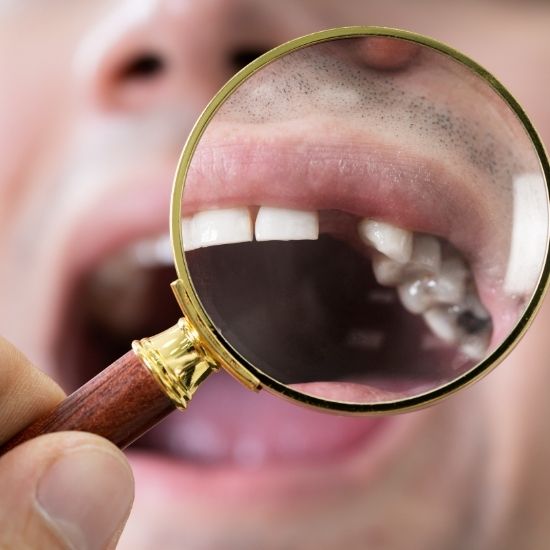
Can a Loose Tooth Tighten Back Up?
Sometimes, depending on the cause. If caught early and treated appropriately, loose teeth due to minor trauma, early gum issues, or temporary inflammation may stabilise over time. However, significant mobility or teeth affected by advanced gum disease usually require active treatment to prevent further movement or loss.
Is It Normal for Teeth to Wiggle a Bit?
It’s not uncommon for teeth to have an extremely subtle degree of natural movement when you press on them, but if you can noticeably wiggle a tooth with your finger or tongue, that’s a sign something may be wrong. Healthy adult teeth should feel secure and firm.
Can Salt Water Tighten Loose Teeth?
Rinsing with salt water may help reduce inflammation and support healing in the gums, but it won’t fix the underlying cause of a loose tooth. It can be a helpful addition to your care routine, but it’s not a substitute for professional dental treatment.
We’re Here to Help, No Judgement, Just Clear Advice
Whether you’ve just noticed movement in your teeth, or you’ve been worried about loose teeth for a while, we can help. Our team will treat you with care and respect, and work toward preserving your smile with the least invasive approach possible.
Book an appointment today to take the first step toward protecting your oral health.
FAQS
Why is my tooth loose as an adult?
A loose tooth in an adult is not normal and is often caused by gum disease, injury, teeth grinding, bone loss, or advanced dental infections. Early diagnosis is important because treatment may help stabilise the tooth and prevent further damage.
Can a loose tooth be saved?
In many cases, yes. The ability to save a loose tooth depends on the underlying cause and how much supporting bone and gum tissue remains. Treatments may include deep cleaning, gum disease therapy, splinting, bite adjustment, or other restorative procedures to improve stability.
Is a loose tooth always a sign of gum disease?
Not always. While periodontal (gum) disease is one of the most common causes of loose teeth in adults, trauma, teeth grinding, osteoporosis, infections, and certain medical conditions can also contribute to tooth mobility. A dental examination is needed to determine the exact cause.
What should I do if I notice a loose tooth?
You should book a dental appointment as soon as possible. Avoid wiggling the tooth, chewing hard foods on the affected side, or placing excessive pressure on it. Prompt treatment may increase the chances of preserving the tooth and preventing further complications.
Can gum disease cause teeth to fall out?
Yes. Advanced gum disease can damage the gums, ligaments, and bone that support the teeth. If left untreated, this can lead to increasing tooth mobility and eventual tooth loss. Regular dental check-ups and early treatment are key to protecting your oral health.