Need Help With Dry Socket?
Experiencing severe pain after a tooth extraction can be worrying. While some jaw soreness after tooth extraction is normal in the first few days, pain that intensifies or radiates may indicate a dry socket, a condition where the protective blood clot at the site of an extraction is lost or doesn’t form properly. This exposes the underlying bone and nerves, leading to significant discomfort. Prompt treatment is important to relieve pain and support healing.
What Is a Dry Socket?
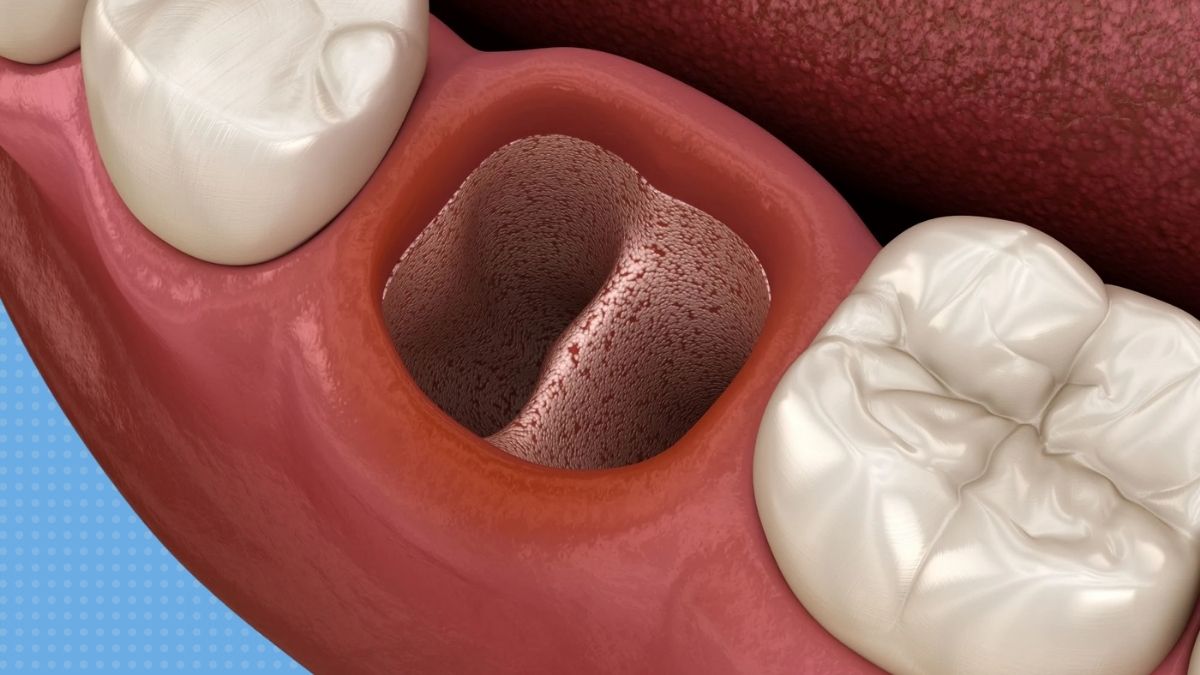
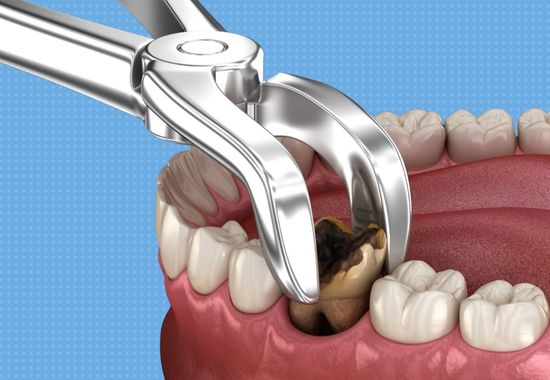
A dry socket occurs when the blood clot that normally forms in the socket after a tooth extraction either dissolves too early or is dislodged. This leaves the bone and nerve endings exposed, which can lead to intense, radiating pain.
While some tenderness and jaw stiffness are common after extraction, dry socket pain typically develops a few days after the procedure and can feel sharp, throbbing, or difficult to control with standard pain relief.
What Are the Symptoms of a Dry Socket and Jaw Soreness After Tooth Extraction?
The symptoms of a dry socket usually appear two to four days after a tooth extraction. Common signs include:
- Severe pain that intensifies rather than improves
- Pain that radiates to the ear, jaw or temple on the same side
- A visible empty socket where the clot should be
- Bad breath or an unpleasant taste in the mouth
- Delayed healing at the extraction site
It’s also important to note that jaw soreness after tooth extraction that worsens rather than eases may indicate a dry socket or other complications. If you experience this, it’s best to have it assessed promptly.

What Causes a Dry Socket?
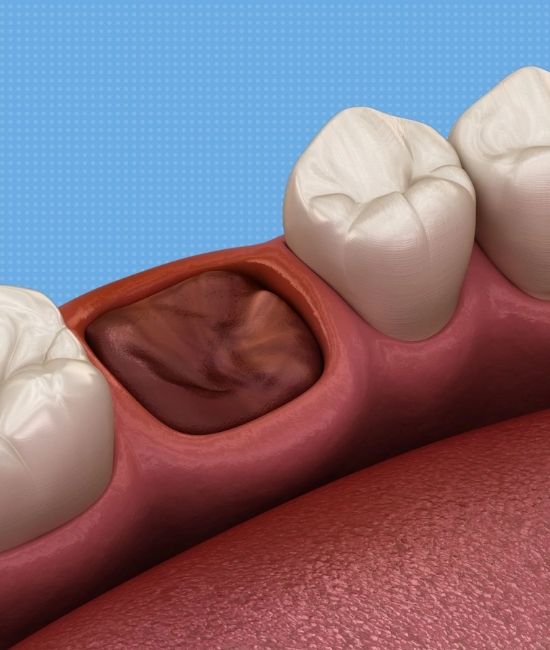
The exact cause of a dry socket can vary, but it generally happens when the blood clot fails to form or becomes dislodged too soon. Risk factors include:
- Smoking or vaping, which can interfere with clot formation and healing
- Using a straw or spitting forcefully after extraction
- Poor oral hygiene or infection
- Traumatic extractions or surgical removal of wisdom teeth
- Certain medications that affect blood clotting
- Lower back teeth, which are more prone to developing dry socket
- Post-menopausal women, who have a slightly higher risk due to hormonal changes
Following your dentist’s post-extraction instructions carefully is the best way to reduce your risk.
How Is Dry Socket Treated?
At Gentle Dental Centre, dry socket treatment focuses on relieving pain, protecting the exposed bone, and supporting proper healing.
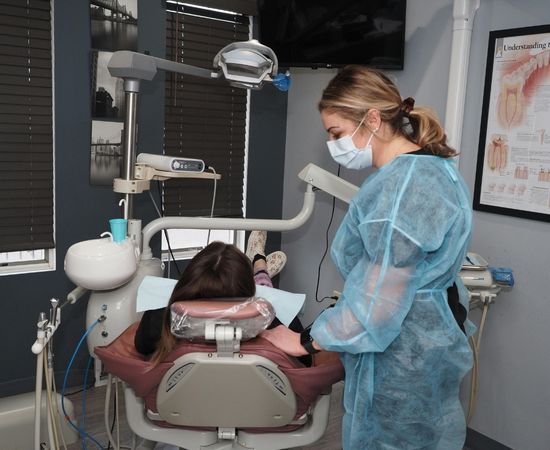
During your appointment, the dentist will gently flush the socket to remove any debris. A medicated dressing is then placed into the socket to cover the exposed bone and soothe discomfort. Pain relief medication or topical gels may also be recommended to keep you comfortable at home.
Most patients notice significant improvement within 24 to 48 hours of professional treatment, and any associated jaw soreness after tooth extraction typically settles as the area heals.

How Common Is Dry Socket Pain?
Dry socket pain occurs in about 2–5% of routine tooth extractions, making it relatively uncommon. However, the risk can be higher (up to 30%) after more complex extractions, such as impacted wisdom teeth.
While most patients experience only mild discomfort and normal healing, a dry socket can happen if the protective blood clot is disturbed or doesn’t form properly. The good news is that with prompt dental care, dry socket is easily treated and usually resolves within a few days.
How to Prevent Dry Socket
Prevention starts with good aftercare. To lower your risk of developing a dry socket after an extraction:
- Rest! Avoid exercise or exertion for at least 48-72 hours
- Avoid smoking, vaping and alcohol for at least 48 to 72 hours
- Do not use straws or rinse vigorously in the first 24 hours
- Keep the area clean as instructed by your dentist
- Stick to soft foods and chew away from the extraction site
- Follow all post-extraction care guidelines provided at your appointment
If you’re unsure about any part of your aftercare, it’s best to call the clinic for advice.

When to See a Dentist
A dry socket will not heal properly on its own, and delaying treatment can lead to prolonged pain and a longer recovery time. If your pain worsens a few days after a tooth extraction, or if you have persistent jaw soreness after tooth extraction, it’s important to seek professional care as soon as possible.
Gentle Dental Centre provides timely and effective dry socket treatment to relieve pain and support healing.

Book an Appointment for Dry Socket Treatment in Wanneroo
If you’re experiencing dry socket pain or worsening jaw soreness after tooth extraction, don’t wait it out. Our experienced team at Gentle Dental Centre in Wanneroo can provide gentle, effective care to help you recover quickly and comfortably.
Book an appointment today or learn more about our Tooth Extraction and Emergency Appointments.