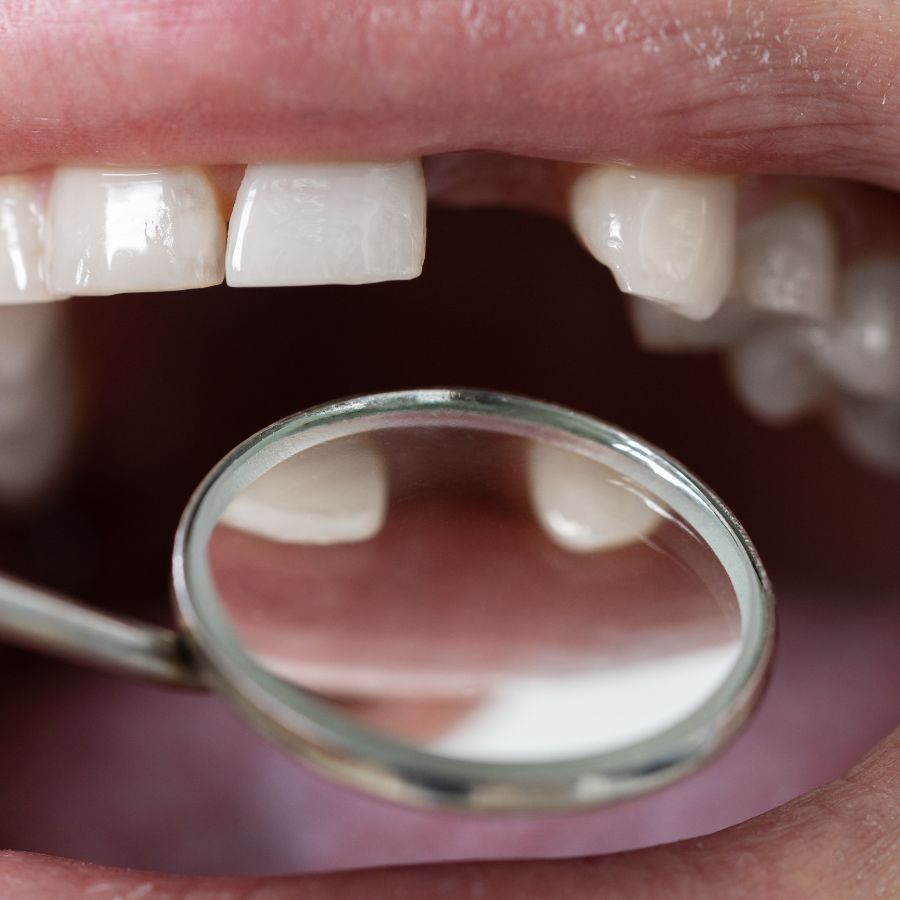
Not everyone immediately feels the effects of missing teeth, particularly if the gap is towards the back of the mouth or outside the visible smile line. Some people chew comfortably, speak normally, and feel confident leaving the space as it is.
However, even when missing teeth do not cause immediate discomfort, changes often occur gradually. Teeth next to the gap can begin to tip or drift. The tooth opposite the space may slowly move out of position. Bite forces shift onto fewer teeth, increasing wear and the risk of cracking. Over time, these changes can make future treatment more complex or limit your options.
This does not mean every missing tooth must be replaced straight away. It does mean that having the space assessed and monitored is important, even if you decide not to replace it immediately.
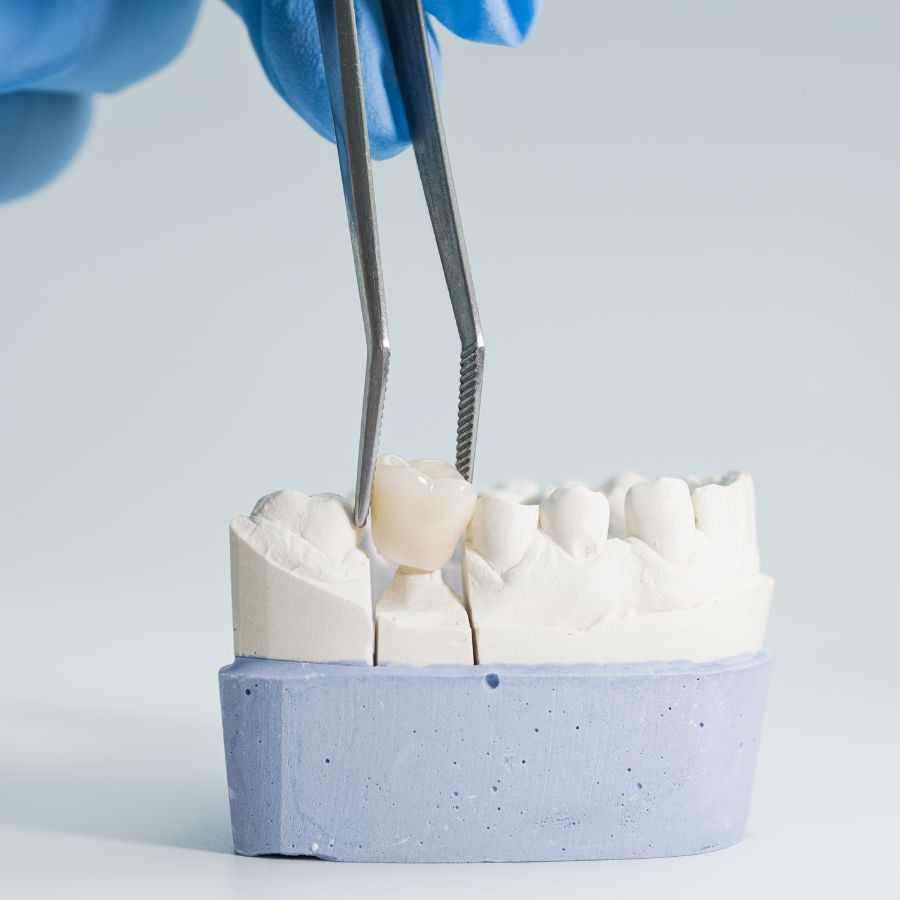
When a tooth is lost, the surrounding area no longer functions the way it was designed to. The jawbone in that area receives less stimulation, which can lead to gradual bone loss. Adjacent teeth may start to move, creating uneven pressure and increasing the risk of decay, gum problems, or fracture.
Replacing missing teeth helps maintain balance in the bite, protects remaining teeth, and supports long-term oral health. The right option depends on where the gap is, how many teeth are missing, and what matters most to you in terms of comfort, longevity, and cost.
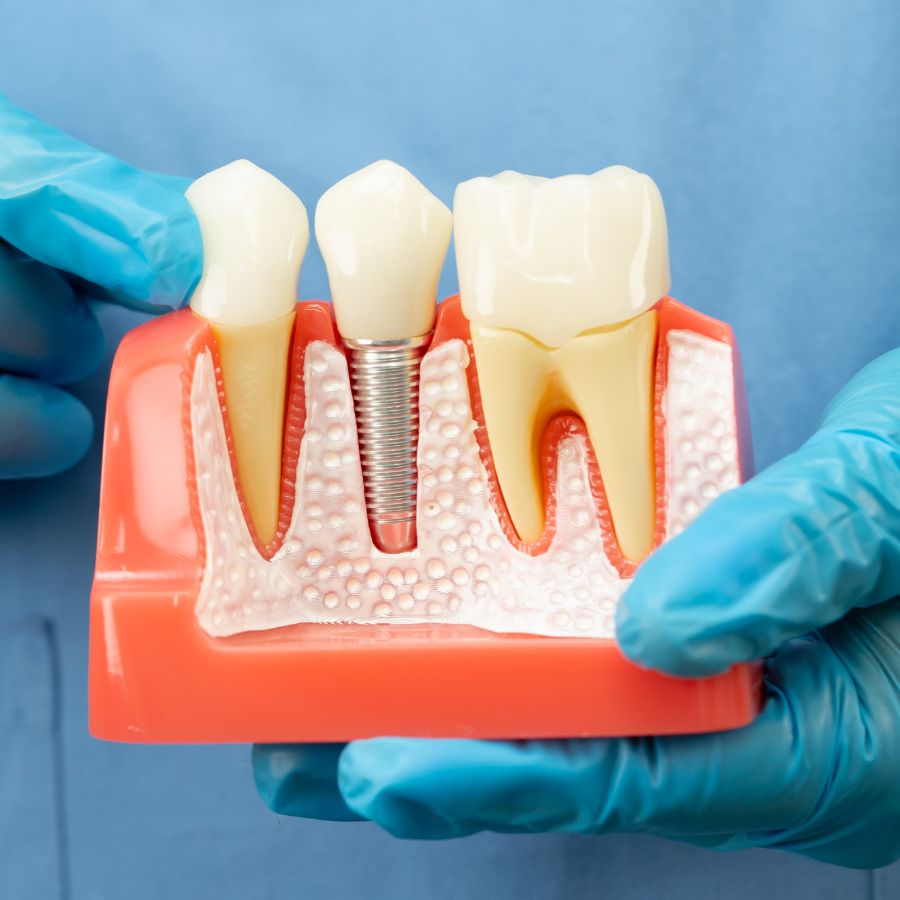
Dental implants are often considered the gold standard for replacing missing teeth. An implant replaces the tooth root as well as the visible crown, creating a result that feels and functions very much like a natural tooth.
A small titanium post is placed into the jawbone, where it integrates over time. Once healed, a ceramic crown is attached on top to restore appearance and function. Because implants do not rely on neighbouring teeth for support, they help preserve surrounding tooth structure and bone.
Implants are typically the most durable and natural-feeling option, but they do require a longer treatment timeline and a higher upfront investment. For many patients, they offer the best long-term value, particularly when replacing single missing teeth.
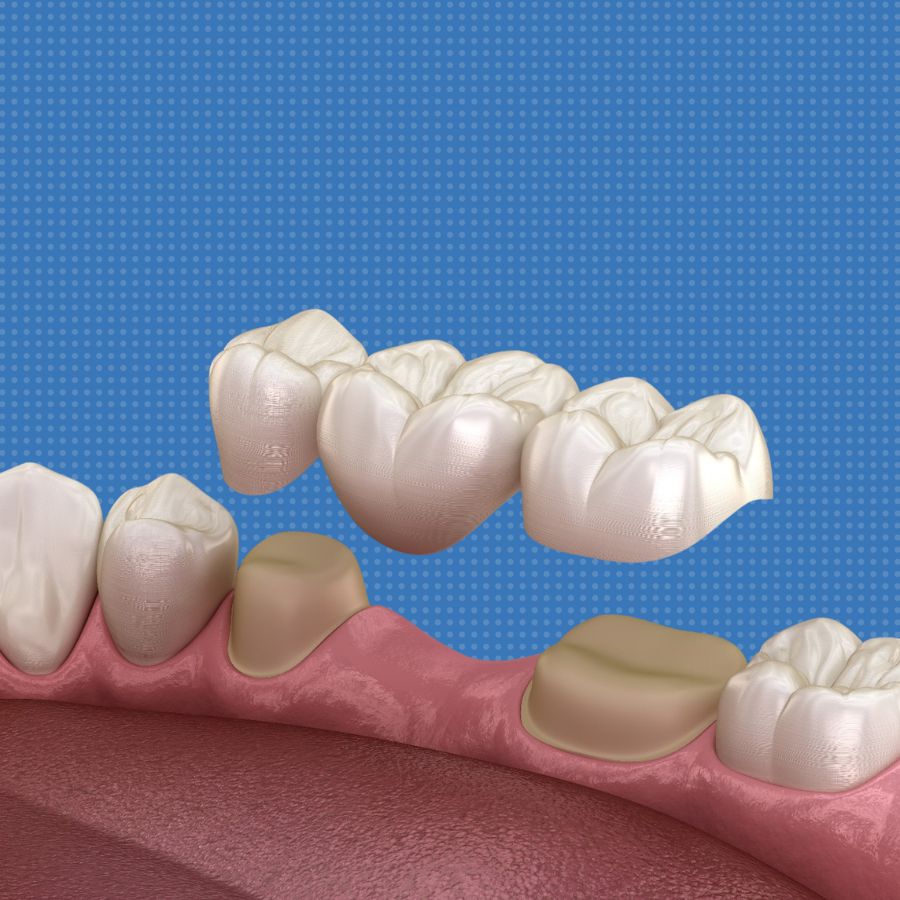
A dental bridge replaces missing teeth by anchoring a ceramic restoration to the teeth on either side of the gap. These supporting teeth are shaped to hold crowns, with the replacement tooth suspended between them.
Bridges are fixed in place, meaning they do not need to be removed, and they often feel more stable than removable options. They can be an excellent choice when implants are not suitable or when a faster treatment timeframe is preferred.
It is important to note that bridges involve modifying neighbouring teeth, which is why a thorough assessment is essential. When planned appropriately, bridges can provide reliable and natural-looking results for many years.
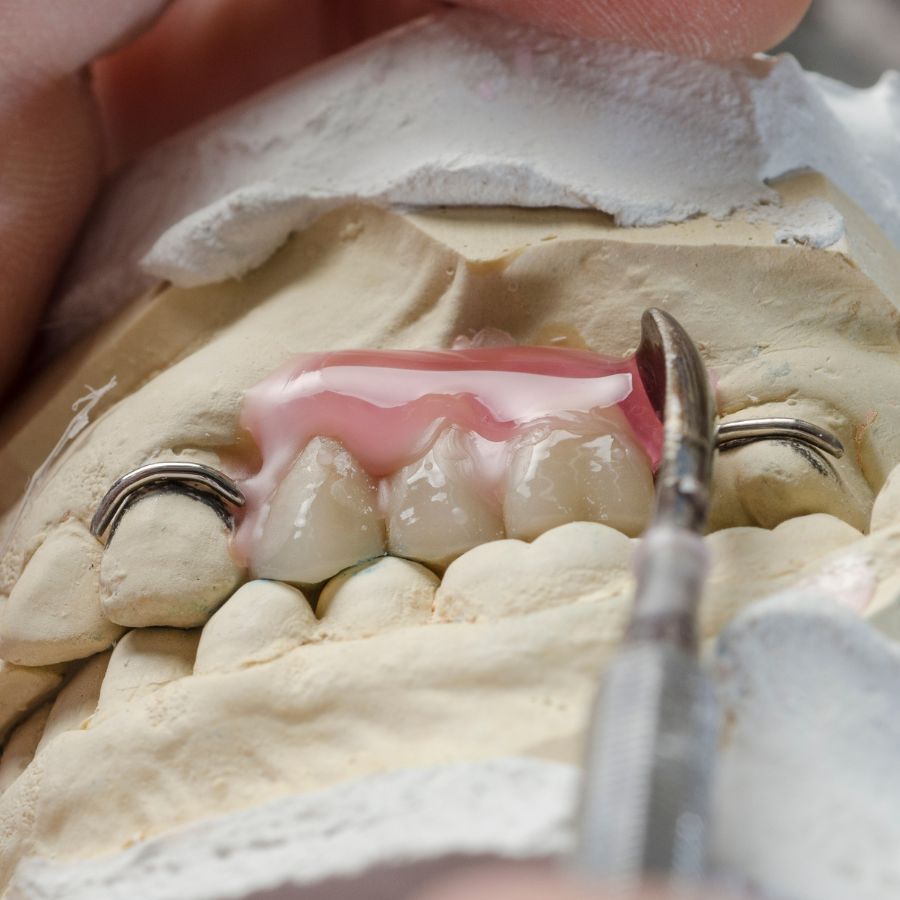
When patients ask about cheap options for missing teeth, partial dentures are often the most accessible starting point, particularly when multiple teeth are missing.
Partial dentures can be made from acrylic or a metal framework and are designed to be removable. They restore basic function and appearance and can often be made relatively quickly. For some patients, they serve as a temporary solution while planning more permanent treatment. For others, they remain a long-term choice.
While dentures are generally more affordable upfront, they do require adjustment time and ongoing maintenance. As the mouth changes, relines or replacements may be needed. Even so, they remain one of the most practical and widely used solutions for replacing multiple missing teeth on a budget.
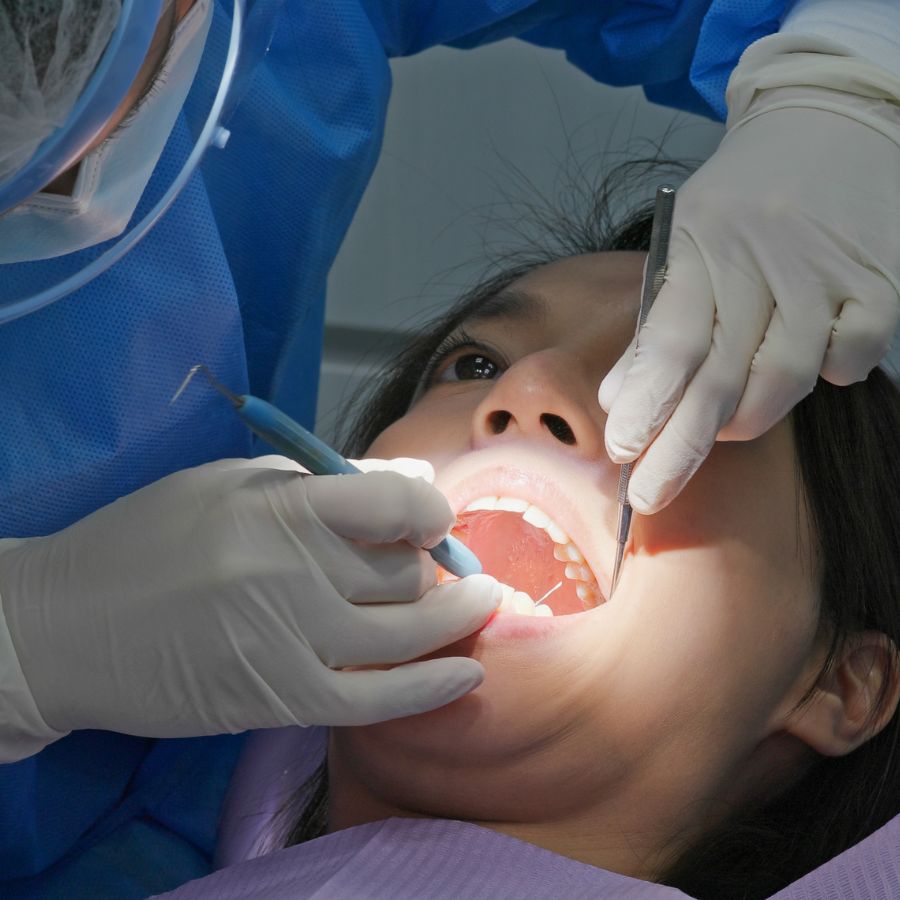
When patients ask about cheap options for missing teeth, it’s usually because they want a practical solution that restores function without placing pressure on their budget. While dental implants are often considered the gold standard, they are not the only way to replace missing teeth. For many people, removable partial dentures or dental bridges can offer reliable, more affordable alternatives, particularly when multiple teeth are missing or when treatment needs to be staged over time. In some cases, leaving a space temporarily may also be appropriate while you plan for future treatment. The key is understanding the long-term impact of each option, as the cheapest upfront solution is not always the most cost-effective over time. At Gentle Dental Centre, we focus on explaining all available options clearly so you can make an informed choice that balances cost, comfort, and long-term oral health, without judgement or pressure.
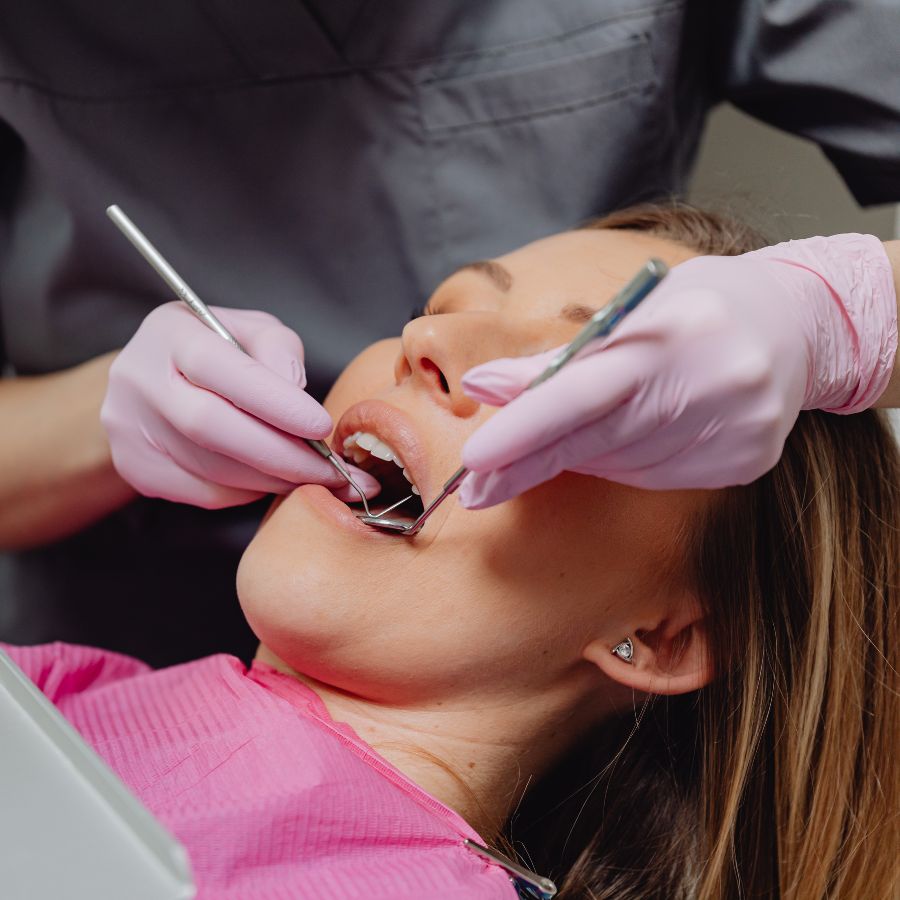
When searching for cheap options for missing teeth, some patients explore dental tourism. While overseas treatment can appear significantly cheaper, it is important to consider follow-up care, complication management, and long-term maintenance.
We encourage patients to make informed decisions and understand what is included in the quoted price, as well as what happens if adjustments or repairs are needed later. Our dental tourism guide explores this topic in more detail.
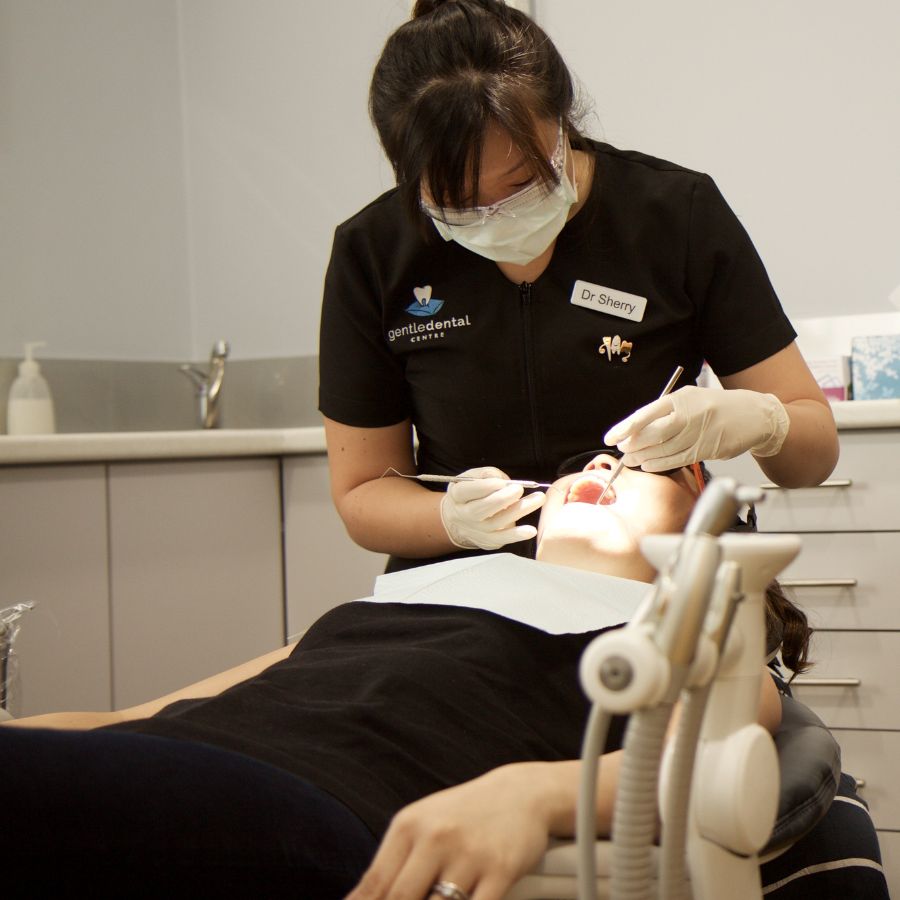
Replacing missing teeth is not about choosing the most expensive option or the cheapest one. It is about finding a solution that protects your oral health, fits your lifestyle, and feels sustainable for you.
Whether you are exploring implants, bridges, dentures, or simply want to understand your options, a personalised consultation allows us to assess your bite, gum health, and long-term risks before making recommendations.