
Can Toothache Cause Headache?
If you’ve ever had a lingering toothache and noticed a headache building at the same time, you’re not imagining it. So, can toothache cause headache? Yes, it can. Toothache and headache are closely connected through shared nerve pathways and inflammation, which is why pain that starts in your mouth can radiate to your head, temples, forehead, or even behind your eyes. For some people, it feels like a dull, deep ache; for others, it can trigger more severe, migraine-like headaches.
Understanding this link can help you recognise when a persistent headache might actually be your body’s way of pointing toward a dental problem. Once the underlying issue is addressed, the headache usually resolves too.
You’re Not Alone — And There’s No Judgement
It’s common for people to feel embarrassed about dental pain, especially if it’s been going on for a while. Some worry they’ve “left it too long” or that their symptoms are unusual. At Gentle Dental Centre, we see this every day, and there’s no judgement here. Headaches linked to toothache are more common than many people realise, and seeking help early is the best way to avoid more complex problems down the track.
How a Toothache Causes Headaches

The key to understanding this connection lies in the trigeminal nerve. This is the largest cranial nerve, responsible for sensation in your face, jaw, and teeth. When something irritates a tooth — such as decay, infection, or inflammation — pain signals travel through the trigeminal nerve. Because this nerve also controls sensation in areas like your temples, eyes, and forehead, irritation in a tooth can be “felt” in the head, creating a referred headache.
Dental problems that can trigger headaches include untreated cavities, abscesses, impacted wisdom teeth, sinus infections that press against upper tooth roots, or even chronic clenching and grinding. Inflammation around the tooth or jaw can be enough to set off a chain reaction that leads to facial tension and headache symptoms.

What Does a Toothache Headache Feel Like?
A headache caused by a toothache often has a distinct character. Instead of the band-like pressure of a tension headache, it may be a deep, dull, radiating ache that seems to start near the jaw or temple and spread upward. Some people feel it behind the eyes; others describe pressure across one side of the forehead. The pain may intensify when lying down or bending over, or flare when chewing, clenching, or drinking something hot or cold.
Unlike a migraine, toothache headaches don’t usually come with aura or severe light sensitivity, but they can be just as disruptive. One of the key signs that your headache may be dental in origin is that it doesn’t fully go away with typical headache medication. Addressing the tooth usually brings lasting relief.
Could It Just Be Stress?
Many patients wonder whether their headaches are “just stress.” It’s true that tension headaches are common, but there are some tell-tale differences. If the discomfort consistently centres around one tooth, flares with chewing or temperature changes, or refuses to settle with rest and hydration, it’s worth ruling out a dental cause. Our dentists can pinpoint whether the pain is muscular, dental, or a mix of both — so you’re not left guessing.
Symptoms That Can Accompany a Toothache Headache

When a headache is linked to a dental issue, it often doesn’t appear alone. You might notice sensitivity to heat, cold, or sweet foods; a tooth that aches when you bite down; gums that look swollen or feel tender; or pain that seems to spread into your ear or neck. Some people find the pain keeps them awake at night or becomes more noticeable when lying flat.
If infection is involved, there may also be a foul taste in the mouth, bad breath, or even a mild fever. These accompanying signs can help distinguish a dental headache from other types of head pain and are a clear signal to book a dental examination.

Tooth Sensitivity and Nerve Pain
Tooth sensitivity is one of the most common precursors to dental pain that can radiate into a headache. When the nerve inside the tooth becomes inflamed, even minor triggers like a sip of cold water can send sharp signals through the trigeminal nerve. Early on, this may present as reversible pulpitis, where the discomfort is brief and goes away when the trigger is removed. If left untreated, it can progress to irreversible pulpitis, where the nerve remains inflamed and pain lingers, throbs, or occurs spontaneously.
This persistent nerve pain can radiate beyond the tooth, often mimicking sinus pressure or one-sided headaches. If you’ve noticed ongoing teeth sensitivity that isn’t improving with sensitive toothpaste, it’s a sign to book a dental check up before the problem escalates.
How Long Will a Toothache Last Before the Nerve Dies?

There’s no universal timeline for when a toothache turns into nerve death. It depends on the cause and how far decay or infection has progressed. In some cases, inflammation lasts for several days or weeks before the nerve tissue inside the tooth dies. When that happens, the pain may decrease temporarily, leading some people to think the issue has resolved. Unfortunately, this is often when infection spreads silently deeper into the jawbone or surrounding tissues.
Many people delay seeking treatment because of cost concerns, dental anxiety, or hoping the pain will “just go away.” We understand this — but untreated dental problems rarely improve on their own. In fact, addressing problems earlier almost always means simpler, more comfortable treatment and quicker recovery. Waiting for the nerve to die is not a safe or reliable approach. Professional treatment, such as a root canal or tooth extraction, is necessary to remove infection and prevent complications.
Tooth Infection vs Nerve Pain: How to Tell the Difference

Tooth infections and nerve pain can feel similar, but there are important differences. Tooth infections often come with visible or physical changes — swelling around the gum, a bad taste in the mouth, tenderness when biting, or even fever. Nerve pain, on the other hand, tends to be triggered by temperature changes or sweet foods and continues to ache long after the stimulus is gone.
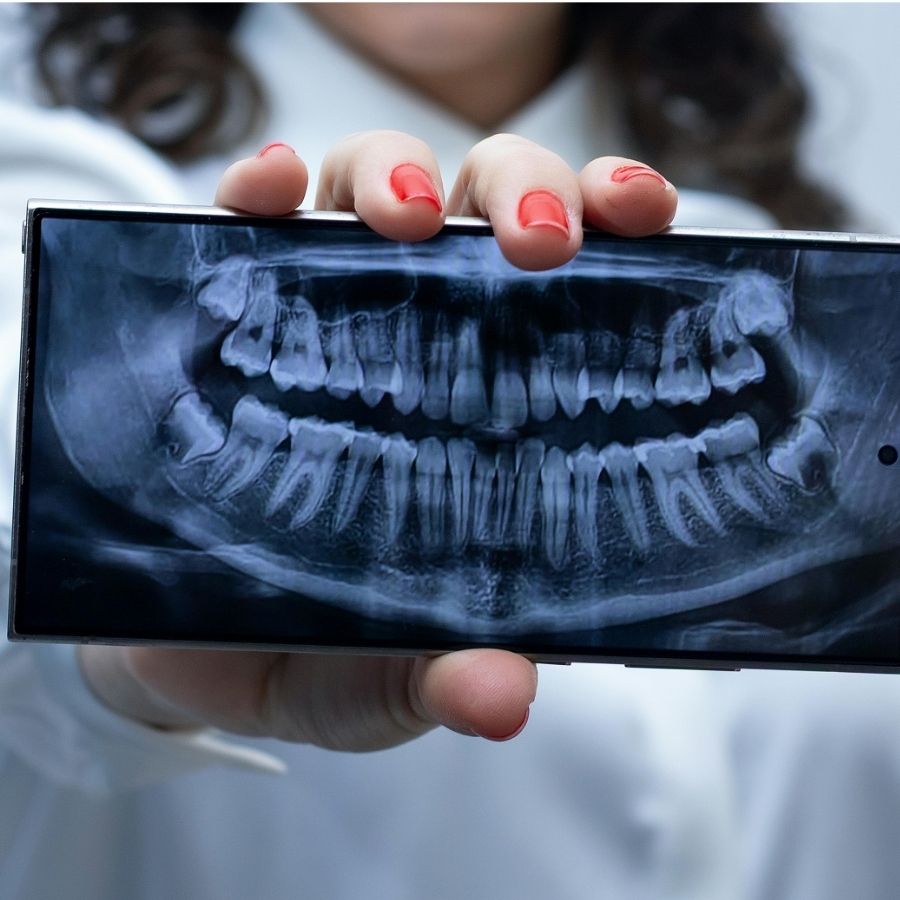
Dentists use a combination of tests, including X-rays, percussion (tapping on the tooth), and pulp vitality testing, to determine the source of the pain. If you’re unsure which you’re dealing with, it’s best to book a dental examination rather than guessing at home.
What Is the Best Painkiller for Tooth Nerve Pain?
For most people, ibuprofen is the most effective over-the-counter medication for dental nerve pain because it reduces both pain and inflammation. If you can’t take ibuprofen, paracetamol can help manage discomfort, and sometimes the two can be alternated under professional guidance. Stronger pain relief may be prescribed temporarily if needed, but opioids are rarely required.
It’s important to remember that painkillers can only mask symptoms temporarily. The underlying dental problem won’t resolve on its own, and delaying treatment often leads to worse pain later.
How Do You Get Rid of a Headache from a Toothache?
The only way to truly stop a headache caused by a toothache is to treat the tooth itself. Pain medication, cold compresses, and resting with your head elevated can bring temporary relief, but the headache will likely keep returning until the dental issue is addressed.
If infection is the cause, your dentist may prescribe antibiotics to manage the infection before performing the necessary treatment, such as a root canal or tooth extraction. For headaches linked to clenching or grinding, a custom mouthguard can help protect your teeth and reduce muscle tension. Once the source is treated, most patients notice their headache disappears rapidly — often within a day or two.
When to Visit Gentle Dental Centre

If a toothache and headache persist for more than a few days, worsen at night, or come with swelling, fever, or lingering sensitivity, it’s time to book an appointment at Gentle Dental Centre. Ongoing pain is a sign that something deeper may be going on, and addressing it early can prevent more complex problems later.
Headaches that occur alongside tooth pain, especially on one side or with sinus pressure, are often linked to treatable dental issues. Our experienced team can assess the cause, provide tailored treatment, and help you find lasting relief.
If the pain is severe or you suspect an infection, contact Gentle Dental Centre’s team right away. Prompt treatment can make all the difference in stopping discomfort from escalating.

A Gentle, Judgement-Free Approach
At Gentle Dental Centre, we know that dental pain can feel overwhelming. Whether it’s been months or years since your last visit, you’ll be met with understanding and respect. We take the time to explain what’s happening, answer your questions, and support you through every step of your care. No lectures. No judgement. Just gentle, high-quality dental care focused on your comfort and wellbeing.