
Toothaches are usually caused by issues like cavities, gum disease, infection, or sensitivity. Back pain, on the other hand, can stem from muscle strain, spinal problems, poor posture, or injury. At first glance, they seem unrelated. However, the concept of “referred pain” means discomfort in one area of the body can sometimes be felt elsewhere. The trigeminal nerve, which controls facial sensation, is complex and highly sensitive. When irritated, it can radiate pain into surrounding areas, making it feel as though discomfort is spreading beyond the mouth. Similarly, chronic back pain can heighten sensitivity in other parts of the body, including the jaw and teeth, through what’s known as “central sensitisation”.

The temporomandibular joint (TMJ) connects your jaw to the base of your skull, and dysfunction here is one of the more common ways dental problems cross over into musculoskeletal pain. TMJ disorders can cause not only toothache and jaw soreness but also neck, shoulder, and upper back pain. On the flip side, poor posture – particularly forward head posture from sitting at a desk or looking down at a phone – places strain on the jaw joint and muscles. Over time, this tension can create a cycle where jaw clenching and muscle tightness contribute to both back pain and tooth pain. Research has shown a link between TMJ disorders and cervical spine issues highlighting how closely the jaw and neck are connected.

Infection is another way toothache can contribute to discomfort beyond the mouth. A tooth abscess, for example, can spread pain to the jaw, ear and even down into the neck or upper back if left untreated. In rare but serious cases, untreated dental infections can enter the bloodstream and lead to widespread symptoms. They can even result in a condition called endocarditis, which is an infection of the heart tissue and can be life-threatening. Joint replacements can also be affected by dental infections, which is why dentists take oral bacteria so seriously.
Sinus infections can cause a similar pattern of discomfort. Because the roots of the upper back teeth sit so close to the maxillary sinus, inflammation in this area can create toothache-like symptoms that radiate into the head, neck or back. This overlap can make it difficult to pinpoint the exact source of pain without a proper examination.
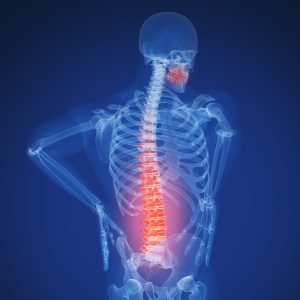 Sometimes the simplest answer is also the most likely: you may be experiencing two unrelated problems at the same time. For example, a cavity or gum irritation could flare up while a long-standing back issue is causing discomfort. But there are also shared triggers. Stress, for instance, is a major culprit in both conditions. Many people clench their jaw or grind their teeth when stressed, leading to tooth pain, while stress also causes muscle tension and poor posture that contribute to back pain. Pregnancy can be another factor. Changes in posture during pregnancy place pressure on the lower back, while hormonal changes increase the risk of gum inflammation and dental sensitivity. Together, they can create the impression that the two issues are directly linked.
At Gentle Dental Centre in Wanneroo, we understand that toothache is stressful enough without worrying about whether it might be linked to other health problems. Our team takes a thorough, judgement-free approach to your care, making sure no concern is dismissed. Conveniently located in the heart of Wanneroo, we also serve patients from Ashby, Banksia Grove, Carramar, Darch, Hocking, Pearsall, Sinagra, Tapping, Edgewater, Kingsley, Woodvale, and nearby suburbs. With flexible hours and easy parking, we make it simple to get the answers and treatment you need.